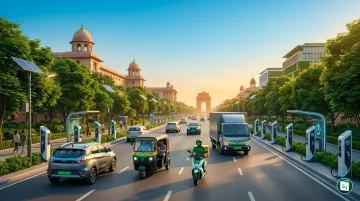
The Delhi Cabinet has approved the 'Delhi Electric Vehicle (EV) Policy 2026', effective from July 2026 to March 2030, with a financial outlay of 15,000 crore.
The policy offers a 100% road tax and registration fee waiver for electric cars up to 30 lakh, and a 50% exemption for strong hybrid models (up to 30 lakh). Luxury EVs priced above 30 lakh are excluded.
Direct Benefit Transfer (DBT) subsidies for electric 2-wheelers are 30,000 (1st year), 20,000 (2nd year), and 10,000 (3rd year), while electric 3-wheelers receive 50,000, 40,000, and 30,000 over three years.
N1 category goods trucks are eligible for an incentive of up to 1 lakh. Scrappage bonuses include 1 lakh for 4-wheelers, 50,000 for commercial trucks, 25,000 for 3-wheelers, and 10,000 for 2-wheelers. Commercial and school fleet operators are mandated to electrify 10% of their fleet within two years, 20% by the third year, and 30% by March 2030.
The government also aims to deploy over 30,000 charging stations. Additionally, the first 1,000 heavy-duty N2 electric trucks (3.5 to 12 tonnes) will receive a 10-year exemption from city peak hour 'No Entry' restrictions.